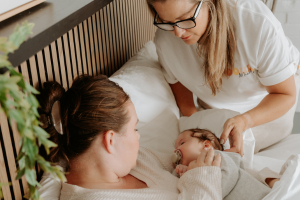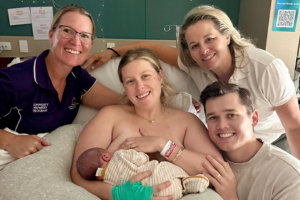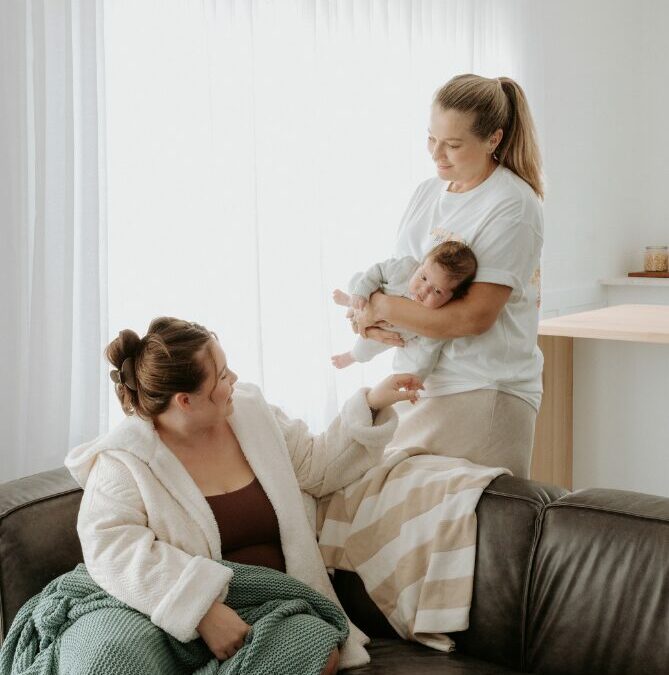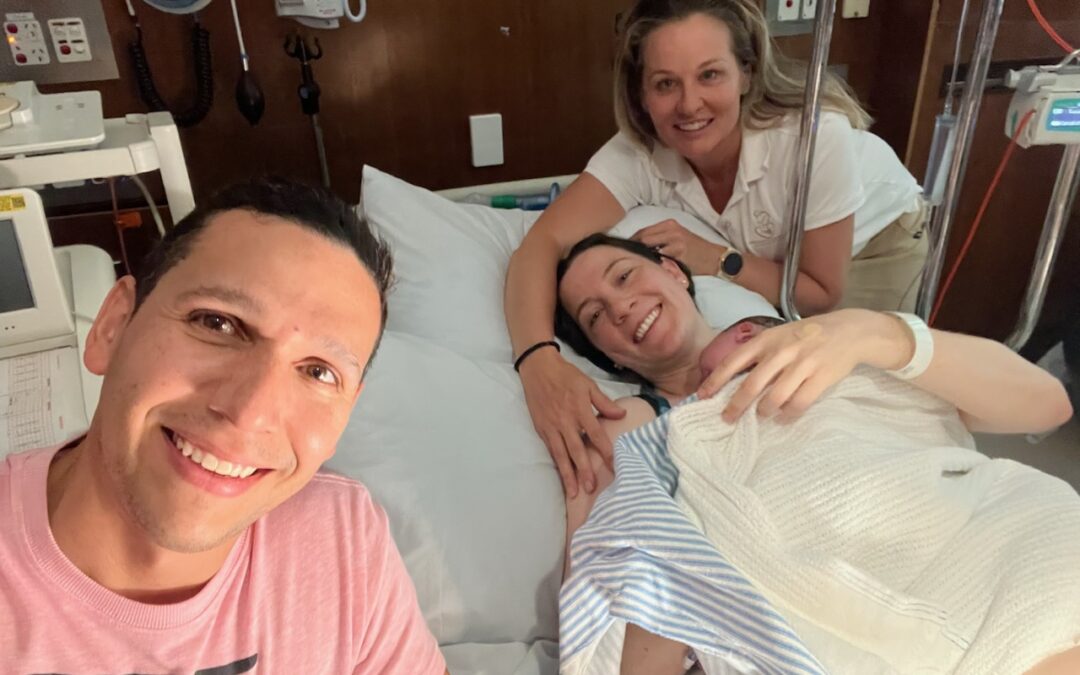







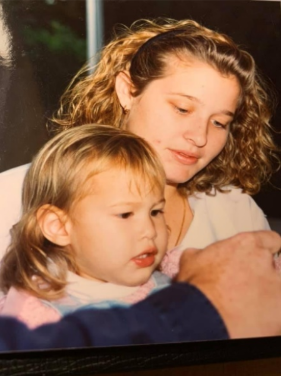
Jess and I, 32 years ago (at least the mullet is back, but the perm not so much 😂)
I had no expectations, read nothing, attended a few antenatal classes and simply trusted that my body would naturally know what to do. I was definitely not prepared for just how tough it all was. I assumed birth and breastfeeding would simply fall into place – after all, isn’t that what we’re told? At 20 years old I was pulling all-nighter’s but instead of booze and pubs, it was boobs and the cuuuutest bub I could ever hope for. That’s simply how it was back then. Though bloody tough at times, I genuinely felt like I was nailing motherhood – because the only person I compared myself to was me.
Today, many women go into pregnancy with really high expectations. These expectations are often shaped by unrealistic media portrayals, which can make women feel like they’re falling short when real life doesn’t match the picture-perfect version.
When the experience doesn’t match what we imagined, it can feel unsettling. Women may begin to doubt themselves, feel overwhelmed, or carry a quiet sense that they’re not doing it “right”. Yet so often, what they’re experiencing is simply part of the normal transition into motherhood.
Preparing for pregnancy and birth is about more than just information – it’s about connection. Access to quality, evidence-based knowledge is important, but so is having a strong circle of support. Women who can share real experiences help paint a more truthful picture and remind us that there is no single “right” way to mother.
Through my work as a doula, I see how varied and complex this journey can be – from trying to conceive, to preparing for birth, birth plans going out the window, to navigating the tender, sometimes challenging early days with a newborn. Learning to meet these moments with compassion and support can shape not only how a woman experiences motherhood, but how she cares for herself as she steps into this new season of life.
Motherhood touches every part of a woman’s life – her body, her relationships, her daily rhythms, and her emotional world.
When worries arise during pregnancy, they’re often rooted in the unspoken expectations we carry – ideas about what pregnancy and motherhood are “meant” to look like. When reality doesn’t align with those expectations, it can create distress, self-doubt, and feelings of anxiety.
There is so much to say about expectations versus reality. In actual fact my second daughter – midwife and incredible mumma of two girls- inspired me to write about this part. She has said to me on several occasions “Mum, it’s all your fault. You made motherhood look so easy so I thought it would be”. I absolutely LOVE her and her honesty more than life itself. But it did get me thinking about things a little deeper and reflecting on my time supporting many families during pregnancy, birth and particularly postpartum.
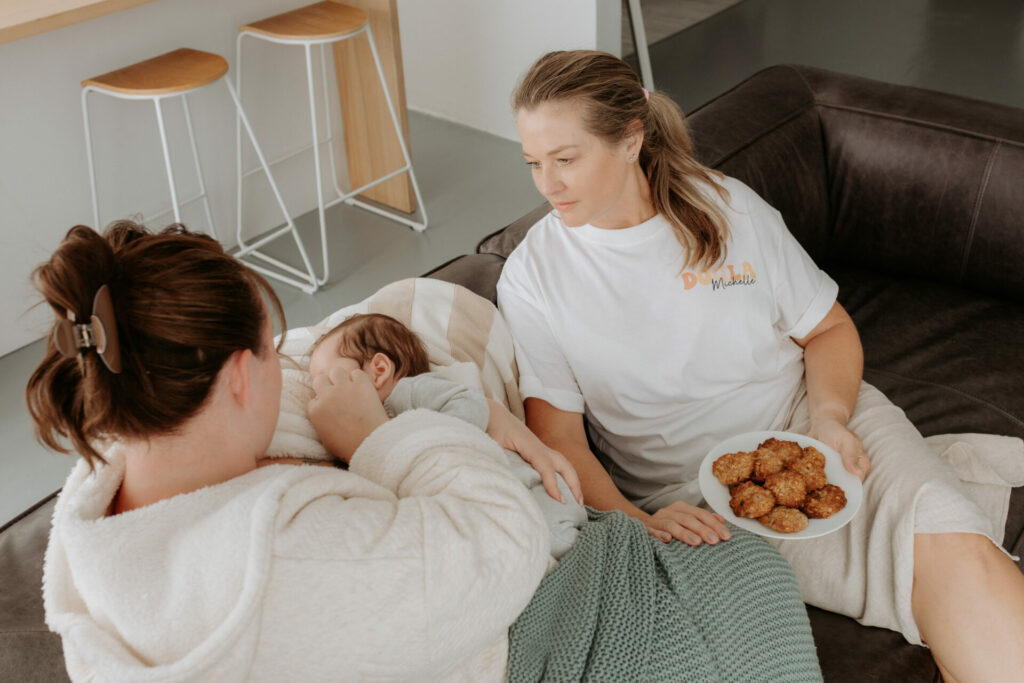
What has been some of the common expectations I have found many women hold during their first pregnancy?
- That your baby will naturally fit into your life, rather than your life shifting around your baby
- That babies sleep well most of the time
- That the house will stay clean and organised, because there’ll be plenty of time
- That birth will be straightforward, natural, and pain-free
- That breastfeeding will come easily and feel instinctive
It can be helpful to gently reflect on what we believe motherhood will look like – and where those beliefs may have come from. So, please take a moment to notice what you might be holding right now, or have in the past.
There’s no judgement here – these thoughts are incredibly common. Becoming aware of them simply opens space for gentler preparation, more realistic support, and greater self-compassion as you move into motherhood.
Letting go of rigid expectations doesn’t mean lowering your hopes – it means making room for flexibility, support, and kindness toward yourself as you learn to buckle up and hold on for dear life. This rollercoaster doesn’t stop for anyone.
Many women enter parenthood carrying beautiful hopes and quiet assumptions, such as:
- That parenthood will be filled with constant joy and special moments
- That love for their baby will be immediate and overwhelming
- That having a baby will naturally strengthen their relationship
- That their partner will instinctively know how to support and care for the baby
- That they’ll be able to continue working while their baby sleeps
- That returning to work will feel clear and straightforward
- That friendships will stay the same
If you recognise yourself in any of these thoughts, you are not alone. These expectations are incredibly common, shaped by the stories we see around us and the culture we live in.

Sometimes pregnancy, birth, or early parenting unfolds differently to how we imagined. Plans may change. Birth may not follow the path we hoped for. And that can bring a mix of emotions – grief, disappointment, relief, or uncertainty – often all at once.
It’s helpful to remember that pregnancy is a natural process, but it is also a profound transition. Alongside joy and excitement, it’s completely normal to feel nervous, unsure, or emotionally tender. With antenatal anxiety and depression affecting many women and new parents, acknowledging these feelings – rather than pushing them away – can be an important part of care.
When we’re supported with gentle, evidence-based information, it becomes easier to release rigid expectations and meet our experience with flexibility and compassion. Sometimes the most healing shift is learning to go with the flow, rather than holding tightly to how we thought things “should” be.
Parenthood rarely unfolds exactly as planned – and that doesn’t mean you’ve done anything wrong. It simply means you’re human, navigating a life-changing season and uncharted waters.
While much of the focus during pregnancy and early parenting naturally centres on mothers, dads and partners are often quietly navigating their own emotional adjustment. Many enter this season with expectations too – that they will feel instant confidence, unwavering strength, and a clear sense of purpose. They may assume bonding will come easily, that they’ll instinctively know how to support their partner and care for their baby, and that they’ll be able to hold everything together without struggle. When reality doesn’t match those expectations, it can leave partners feeling uncertain, sidelined, or unsure of where they fit in this new family dynamic.
Like mothers, dads and partners can experience a deep sense of responsibility mixed with self-doubt. They may feel pressure to be the “steady one,” to stay positive, practical, and emotionally contained, even when they themselves are overwhelmed, sleep deprived, or grieving the loss of their previous life. Changes to relationships, intimacy, finances, and daily routines can feel confronting, yet these feelings are often unspoken. Without space to name them, partners may withdraw, minimise their own experience, or feel guilty for struggling at a time when they believe they should only feel grateful.
Partners can also carry unspoken expectations about how parenthood will affect their relationship – that a baby will bring them closer, that communication will remain easy, or that love will be enough to smooth over exhaustion and stress. When tensions arise or roles feel unclear, it doesn’t mean the relationship is failing; it means it is being reshaped. This transition asks both people to learn new ways of connecting, supporting one another, and asking for help – skills that take time and compassion to develop.
Support matters for partners too. Being included in honest conversations, hearing real stories from other parents, and having permission to feel unsure or vulnerable can be incredibly grounding. When dads and partners are supported to reflect on their own expectations and emotions, they are better able to show up – not perfectly, but authentically. Parenthood is not about getting it “right,” but about learning, adjusting, and growing together as a family through one of the most transformative chapters of your life.
For me, I was fortunate to step into motherhood at a time when there wasn’t an overwhelming minefield of information. In many ways, I learned the hard way – but also the simplest way -because my only option was to follow my heart and trust my instincts. Instead of researching or comparing myself to others, I learned from the best teachers of all: my five children.
I was chatting to my daughter again today, just about this thing of expectations versus reality and she shared with me her thoughts that she expressed in a poem. I hope these beautiful words resonate or bring you a warm hug during a time that you need it the most.
Motherhood asks more of you than you ever thought you had, and somehow you will still give more. It will push you further than you thought possible and show you an immense strength you never knew you had. Some days it will unravel you, and the next it will rebuild you into a braver but also more gentle version of yourself. Being a mum will bring you the best days of your life and also some of the toughest. Through it all, I hope you always remember that you are an incredible mum and that you’re doing amazing!
You couldn’t pull me away from supporting in this space – even if I won a million dollars. I’m not going anywhere; I’m here to offer support, guidance, and reassurance that you ARE doing the hardest job so beautifully. And if you’re looking for additional information, here are some of my top recommendations:
| For the DADS Gidget Foundation https://www.gidgetfoundation.org.au/resources/1-in-5-mothers-1-in-10-fathers SMS For Dads https://www.sms4dads.com.au/ Birthing Dads Podcast https://open.spotify.com/show/28hMmmOkygkVg2V8rQHMEt?si=_1Kv66yKSlyikdxc65nhTw NGALA – provides two online programs that may be of interest, one for expectant dads and one for new dads. 9368 9368 https://www.ngala.com.au/events/ https://www.ngala.com.au/ PANDA https://www.panda.org.au/get-support/support-dads https://www.ngala.com.au/resources/online-tips-resources-information-for-dads/ For MUM’s and DAD’s: Fiona Rogerson – Perinatal and Trauma Counselling https://fionarogerson.com.au/ PANDA -1300 726 306 www.panda.org.au COPE -1300 740 398 www.cope.org.au Pregnancy, Birth and Baby Helpline: 1800 882 436 |
Contact Michelle
If you have any questions or just want to know more, I’d love to hear from you! Simply click the button below and fill out the contact form.
About Michelle McKechnie
My name is Michelle McKechnie, and I am Birth and Postpartum Doula specialising in postpartum support, breastfeeding and sleep support. My greatest achievements are my 5 incredible children and 4 beautiful grandchildren. They are and will always be my greatest teachers.